

As the use of unmanned aerial vehicles continues to grow across diverse industries, becoming a skilled drone pilot has never been more essential. If you’re venturing into drone photography, surveying, or drone inspections, comprehending the subtleties of drone operation is crucial for achieving success. The evolving regulatory environment established by the FAA, alongside the fast advancements in drone technology, indicates that aspiring pilots must arm themselves with a varied set of skills and knowledge to maneuver through this fluid field.
From securing necessary permits for night flying to mastering the details of aircraft maintenance, every aspect of drone operation requires careful preparation and continuous education. This article aims to provide key perspectives into the key skills and information that aspiring drone pilots should learn, ensuring they are well-prepared to flourish in a competitive and ever-changing environment.
Comprehending FAA Standards and Exemptions
At the outset for emerging drone pilots is to get acquainted with FAA rules, notably Part 107. This set of rules oversees commercial drone operations in the United States, covering critical aspects like permissible flight times, altitude limits, and required certifications. It is vital for pilots to fully understand these regulations to ensure lawful operations. Staying compliant not only helps avoid costly penalties but also boosts the credibility of the pilot in the market.
When it comes to specific operations, such as night flying and conducting flights over people, pilots may need to apply for exemptions from the FAA. Drone Pilots Inverness Inverness-shire allow for exceptions from standard operational limits but require a solid understanding of operational safety and risk management. New pilots must be prepared to provide extensive documentation illustrating their ability to perform such flights safely. Understanding the intricacies of this process can significantly enhance a pilot’s operational capabilities and business opportunities.
As pilots build experience, navigating controlled airspace becomes important. Using the Low Altitude Authorization and Notification Capability (LAANC) system can streamline this process by providing instant access to controlled airspace approvals. However, understanding the exact documentation required for effective clearances is key. Proficiency in this area ensures that pilots can operate effectively, maximizing their time in the air and minimizing delays caused by airspace restrictions. By understanding these regulatory frameworks and waiver processes, pilots can prepare for success in the ever-evolving drone industry.
Skillset in Drone Operations
To succeed as a drone pilot, gaining technical proficiency in various operational skills is essential. This consists of grasping the intricate components of drone mechanics and how different elements influence aerial operations. For instance, expertise in managing FAA Part 107 waivers for night operations and operations over people is vital for pilots growing their service offerings. Familiarity with the specific documentation needed to navigate controlled airspace through LAANC permits drone operators to efficiently carry out flights in complex settings while following regulations.
Calibration of the drone’s compass and IMU is another important capability that cannot be ignored. Pilots must understand how magnetic disruption can alter these calibrations, which could result in flight instability. Additionally, grasping Drone Pilots Snizort Inverness-shire between traditional and electronic shutters in drone mapping can significantly boost the quality of visual data, as each category offers unique features depending on the shooting conditions and intended outcomes.
In addition, keeping an effective flight log is essential for professional drone operations, particularly during reviews. A clear log will record flight time, mission types, and any incidents that occur, providing a clear record that underwriters frequently evaluate when establishing liability insurance provisions. Understanding what UAV underwriters consider in a business liability insurance policy enables operators to ensure they are adequately covered for their specific requirements.
Security and Maintenance Best Practices
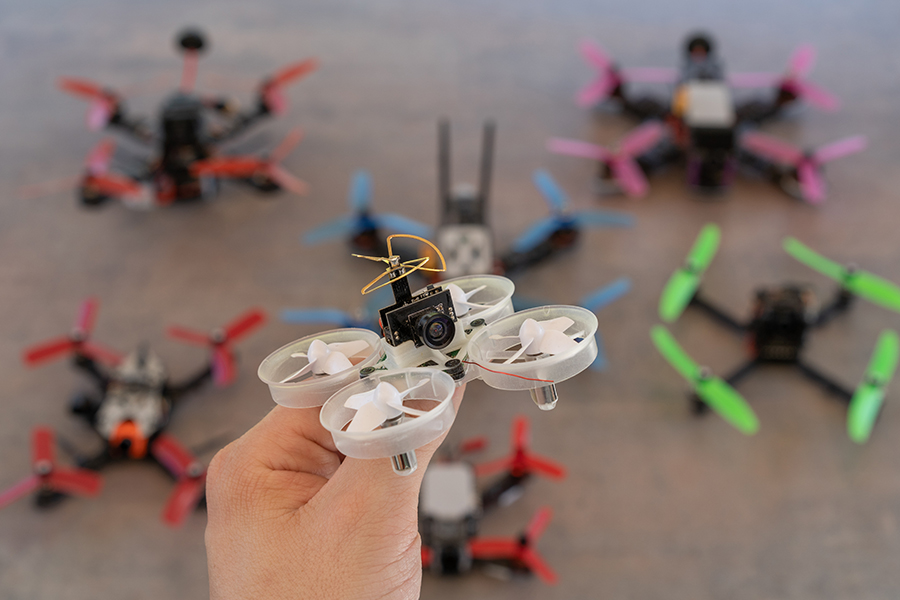
To ensure safe operations, unmanned aerial vehicle pilots must prioritize regular maintenance and thorough pre-flight checks. Checks should include a comprehensive evaluation of the drone’s frame, propellers, and battery health. Check for any signs of wear, damage, or battery degradation that could jeopardize flight safety. Keeping a well-structured flight log will not only help in maintaining the aircraft but is also vital for compliance with commercial insurance requirements.
Pilot reliance on telemetry data is essential for monitoring flight status in actual time. Understanding warning indicators related to signal degradation can prevent potential flyaways, which are often caused by loss of connection between the drone and the controller. Developing a routine of monitoring these metrics during flights will enhance operational safety, especially in challenging conditions such as high winds or low temperatures, which can drastically affect flight capability.
In conclusion, adhering to safety guidelines when cleaning and maintaining critical camera sensors and gimbal components is essential. Improper cleaning can result in equipment malfunctions that affect the quality of the photographs captured, ultimately impacting project outcomes. Routine sensor maintenance, along with proper storage practices, ensures that the drone remains in peak operational condition and continues to deliver high-quality results in every flight.